
7 Hydration Tips for Sun-Stressed Hair
These hydration tips for sun-stressed hair are built around one simple idea: sun exposure pulls moisture out of the hair shaft faster than most routines can replace it.
Long days outdoors, higher temperatures, and increased sweat all draw water away from the scalp and strands, leaving hair dry, rough, and prone to breakage. Restoring hydration comes down to applying the right product at the right step.
Below are seven practical, science-backed habits to keep sun-stressed hair hydrated, smooth, and resilient.
1. Start With a Clarifying Wash to Remove Buildup
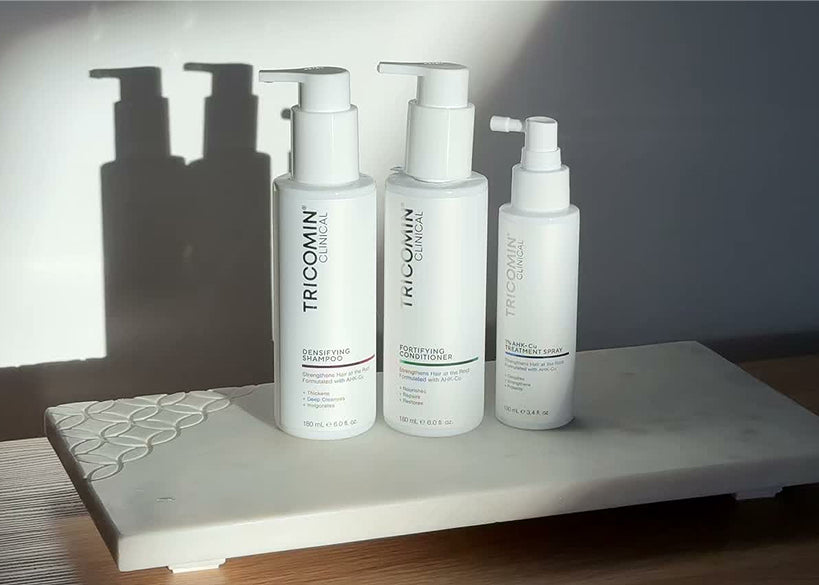
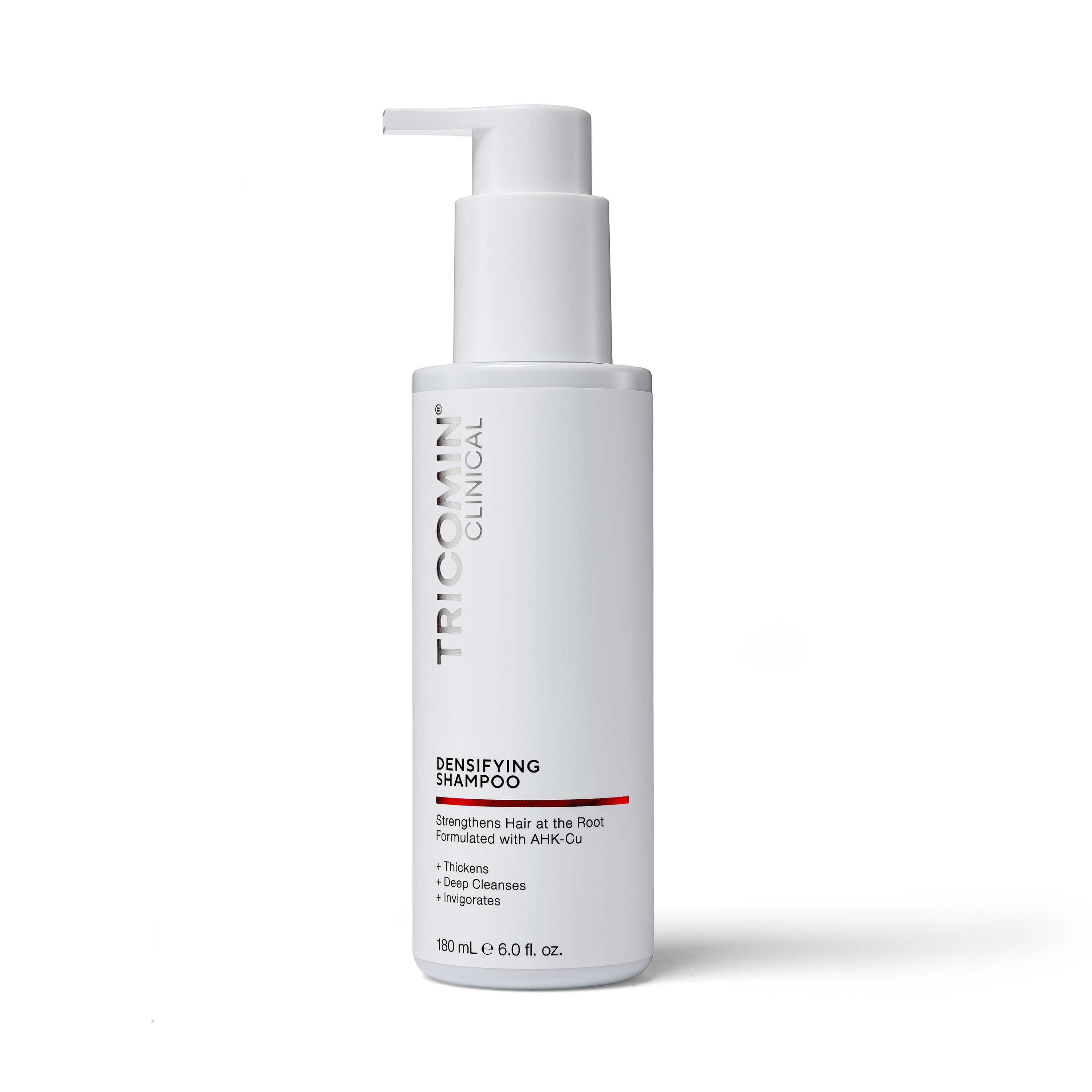
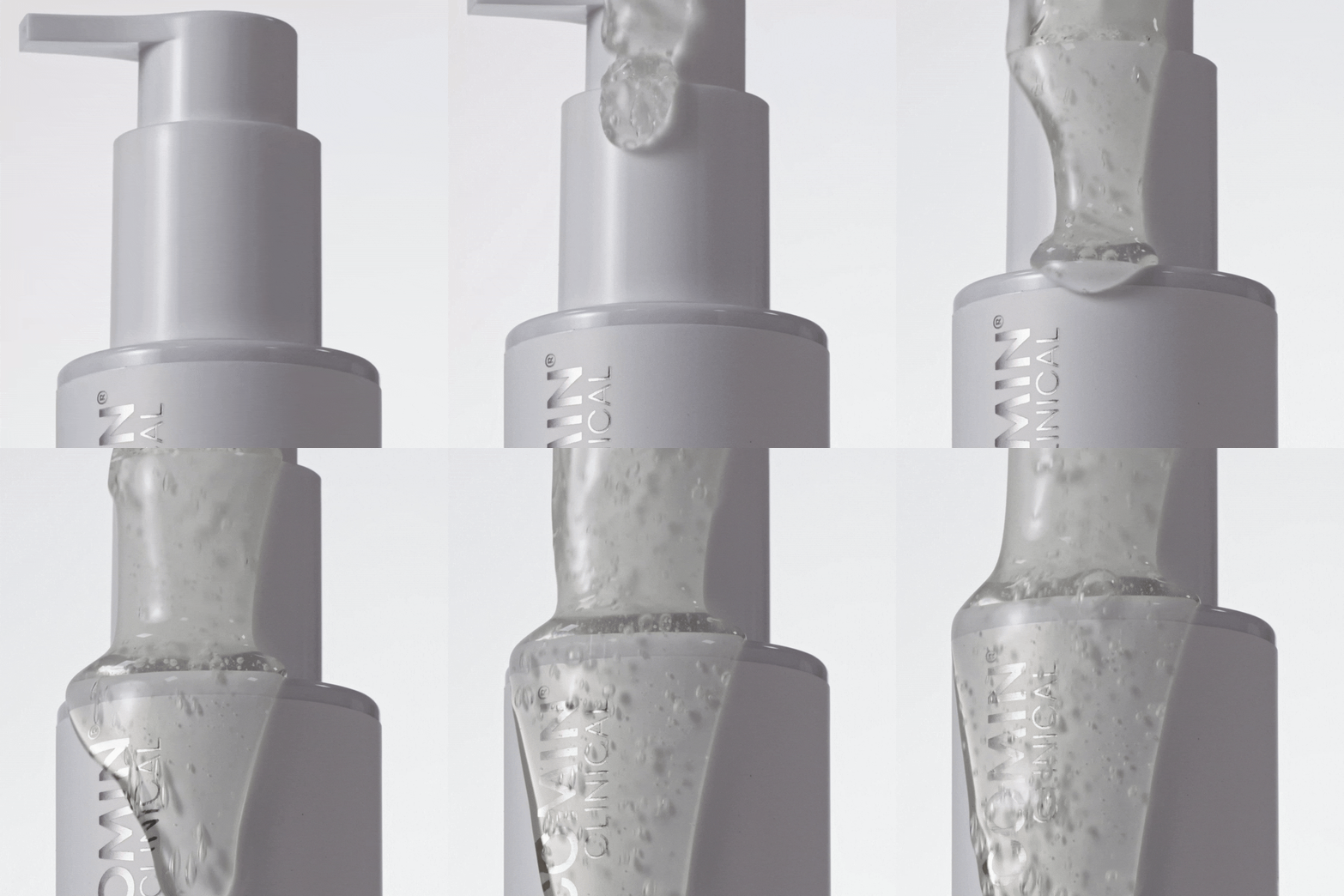
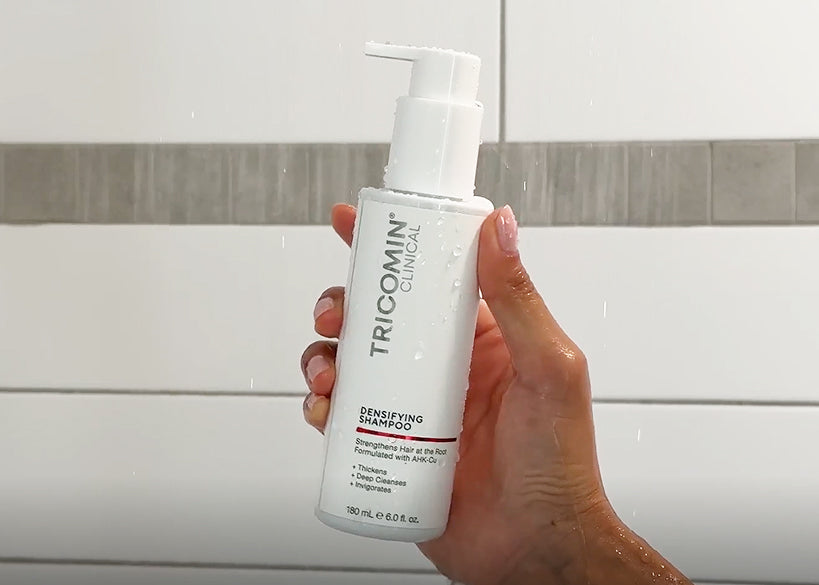
Sun-stressed hair often carries a layer of sweat, sunscreen, and product residue that blocks moisture from penetrating the strand. Before any hydrating treatment can work, this buildup needs to come off. The Tricomin Densifying Shampoo is designed to gently lift residue from the scalp and hair without over-stripping natural oils, so hydration products applied afterward can actually absorb rather than sit on the surface. A clean base is the first and most overlooked step in any hydration routine for sun-exposed hair.
2. Condition the Scalp with a Clarifying Conditioner
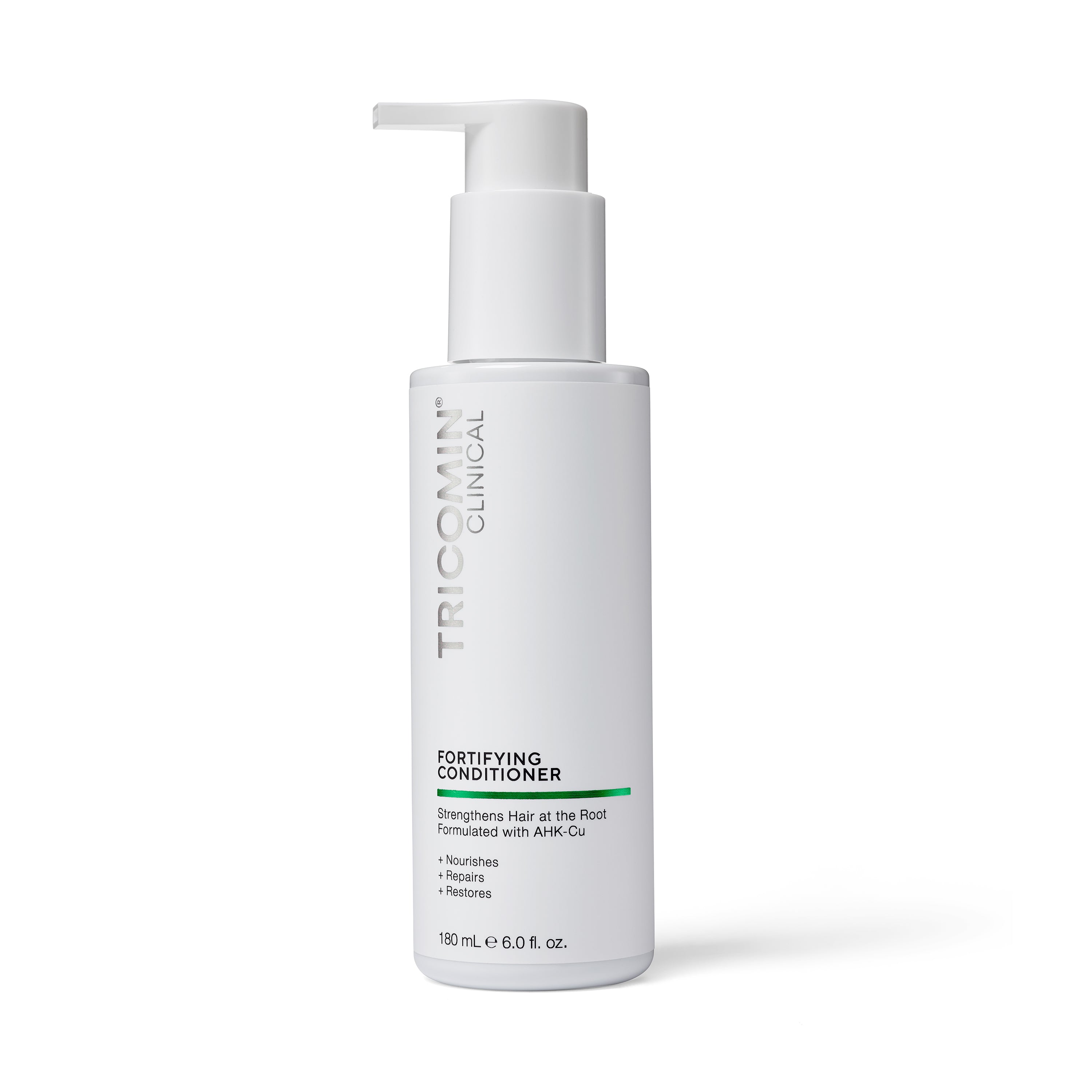
Healthy hydration starts at the scalp, since this is where natural oils are produced and distributed along the hair shaft. Sun and heat exposure can disrupt this process, leaving the scalp dry and hair looking thin or flat. The Tricomin Fortifying Conditioner supports a balanced scalp environment while optimizing hydration, which helps the scalp maintain its natural oil production instead of overcompensating with excess oil or flaking. A scalp-first approach is one of the most effective hydration tips for sun-stressed hair, since it addresses the root of dryness rather than just the surface.
3. Target Deep Hydration With a Leave-In Treatment Spray
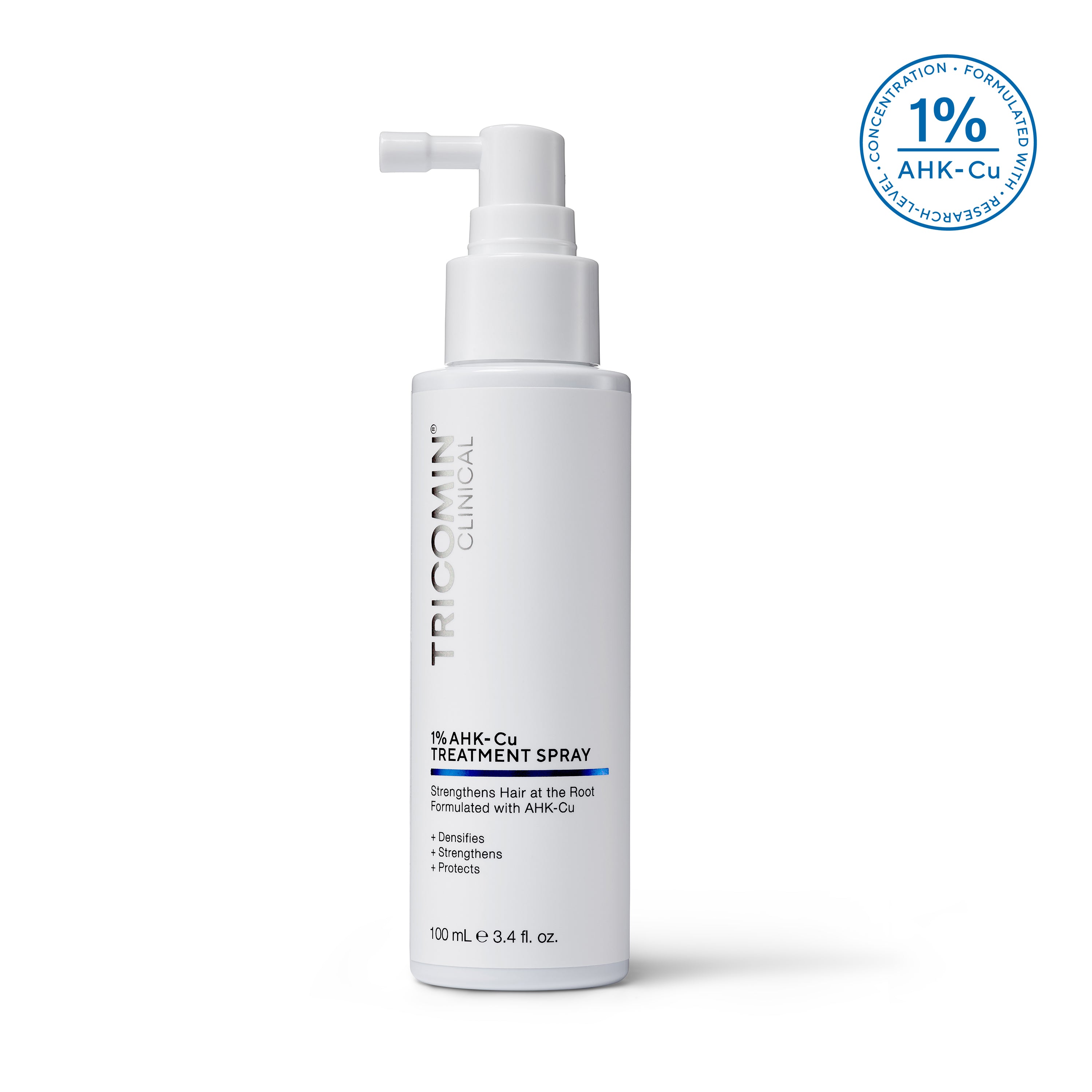
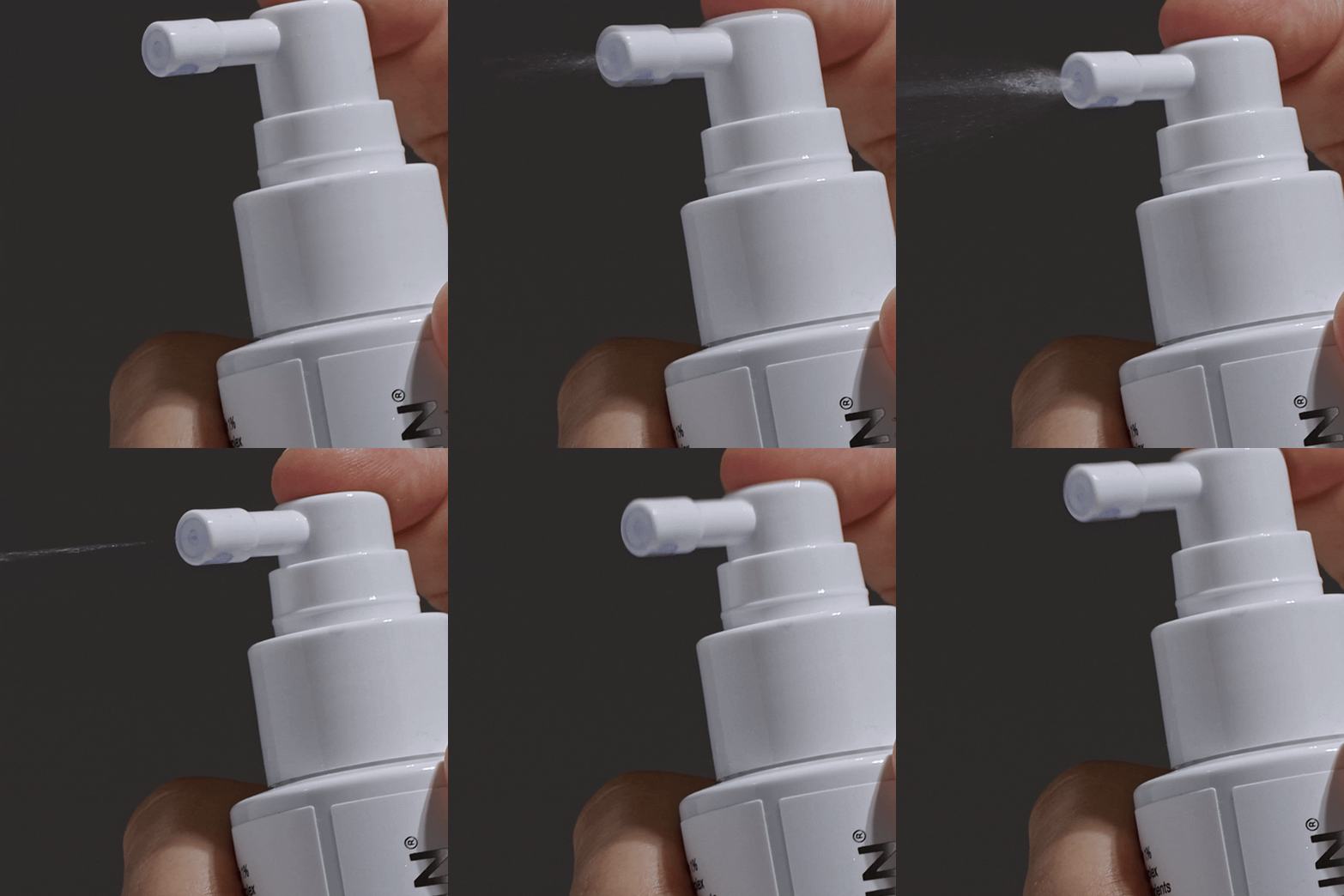
Shampoo and conditioner alone cannot fully repair moisture lost to prolonged sun exposure. A leave-in treatment adds a targeted layer of hydration that stays on the hair throughout the day. The Tricomin 1% AHK-Cu Treatment Spray is formulated to support the hair and scalp between washes, making it a practical addition for anyone spending extended time outdoors. Applying it to damp hair after washing, or misting it on dry hair midday, helps sun-stressed strands hold moisture longer.

4. Layer Products in the Right Order
One of the most practical hydration tips for sun-stressed hair is understanding that product order matters as much as product choice. Starting with a clarifying wash, following with a densifying shampoo, and finishing with a treatment spray allows each step to do its job without interference. Applying a heavy product before a lightweight one, for example, can block the lighter formula from reaching the scalp or shaft. For a simple way to follow this sequence correctly, the Hair Strengthening System bundles all three steps together, so the order is built into the routine.
5. Protect Hair Before Sun Exposure, Not Just After
Most hydration routines focus on repairing damage after a day in the sun, but prevention reduces how much repair is needed in the first place. Applying a lightweight treatment spray before heading outdoors adds a protective layer that helps hair retain moisture throughout the day. This is especially useful during travel, when hair is exposed to new climates, higher UV levels, or dry cabin air. Keeping a Travel System Kit on hand makes it easy to maintain this habit whether at the beach, on a hike, or on a flight.
6. Rinse With Cool Water When Possible
Hot water opens the hair cuticle, which can accelerate moisture loss, especially on hair that is already dry from sun exposure. Finishing a shower with a cool water rinse helps close the cuticle and seal in the hydration from conditioner or treatment products. While this habit alone will not resolve significant dryness, it is a simple, no-cost step that supports every other product in the routine.
7. Stay Consistent Through the Season
Hydration for sun-stressed hair is not a one-time fix. Sun exposure is cumulative, and so is the repair process. A consistent routine, using the same clarifying, cleansing, and treatment steps two to three times a week, gives hair the steady support it needs to recover and stay resilient through the season. Skipping steps during busy weeks often shows up as dullness or dryness within days, since sun-stressed hair has less moisture reserve to draw on.

Frequently Asked Questions about Sun-Stressed Hair
What causes hair to become dry and stressed from sun exposure?
UV radiation breaks down the proteins in the hair shaft and disrupts the cuticle's ability to retain moisture, while heat and sweat further deplete hydration levels.
How often should I use a hydrating hair treatment in summer?
Two to three times a week is typically enough for most hair types, though very dry or heavily sun-exposed hair may benefit from more frequent use of a leave-in treatment.
Can a clarifying conditioner be too drying for sun-stressed hair?
When used correctly, a fortifying conditioner removes buildup without over-stripping natural oils, which actually helps hydration products absorb better afterward rather than causing additional dryness.
Is it better to apply hydrating products before or after sun exposure?
Both matter. Applying a lightweight treatment before sun exposure helps protect moisture levels, while a deeper hydrating routine afterward helps repair what was lost during the day.
What is the easiest way to maintain a hydration routine while traveling?
Keeping a compact, travel-sized version of your regular routine on hand makes it simple to stay consistent, even when schedules and climates change.
Final Thoughts
Hydration tips for sun-stressed hair come down to a clear, repeatable sequence: clarify, cleanse, treat, and protect. Building this routine into your week, rather than reaching for a single fix, is what keeps hair resilient through the sunniest months.
Ready to put these steps into practice? Explore the Tricomin System for hydration support wherever this summer takes you.